Building a multi-generational home, or intergenerational home, is growing in popularity among families who want to live closer together while maintaining independence. In North Vancouver, a multi-generational home can help families share housing costs, support aging parents, and create flexible living spaces for future generations.
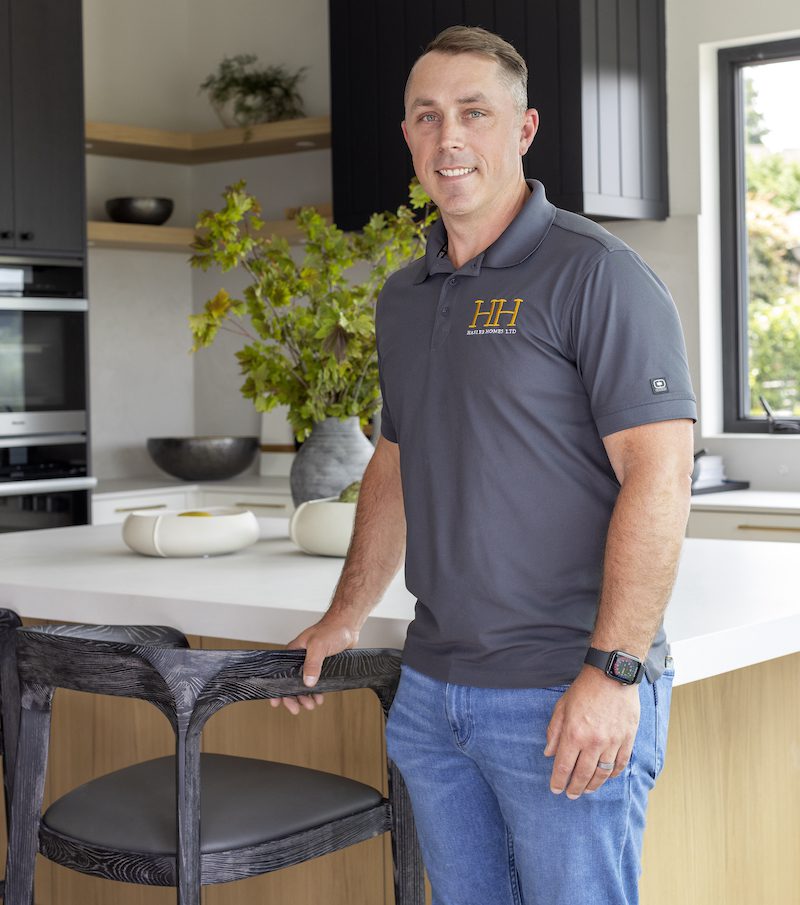
This guide explores what a multi-generational home is, why more families are choosing intergenerational living, and how to design a home that works for multiple generations. Greg Hasler shares his top tips for designing a multi-generational home, and we’ve included details and images of real multi-generational homes built by Hasler Homes in North Vancouver.
Table of Contents:
What Is a Multi-Generational Home?
Why Intergenerational Homes Are Becoming More Popular
Benefits of Building a Multi-Generational Home
Steps to Designing a Multi-Generational Home
Expert Design Tips for Multi-Generational Living
Real Examples from Hasler Homes
Multi-Generational Home Renovation Tax Credit
Planning a Multi-Generational Home in North Vancouver
Frequently Asked Questions
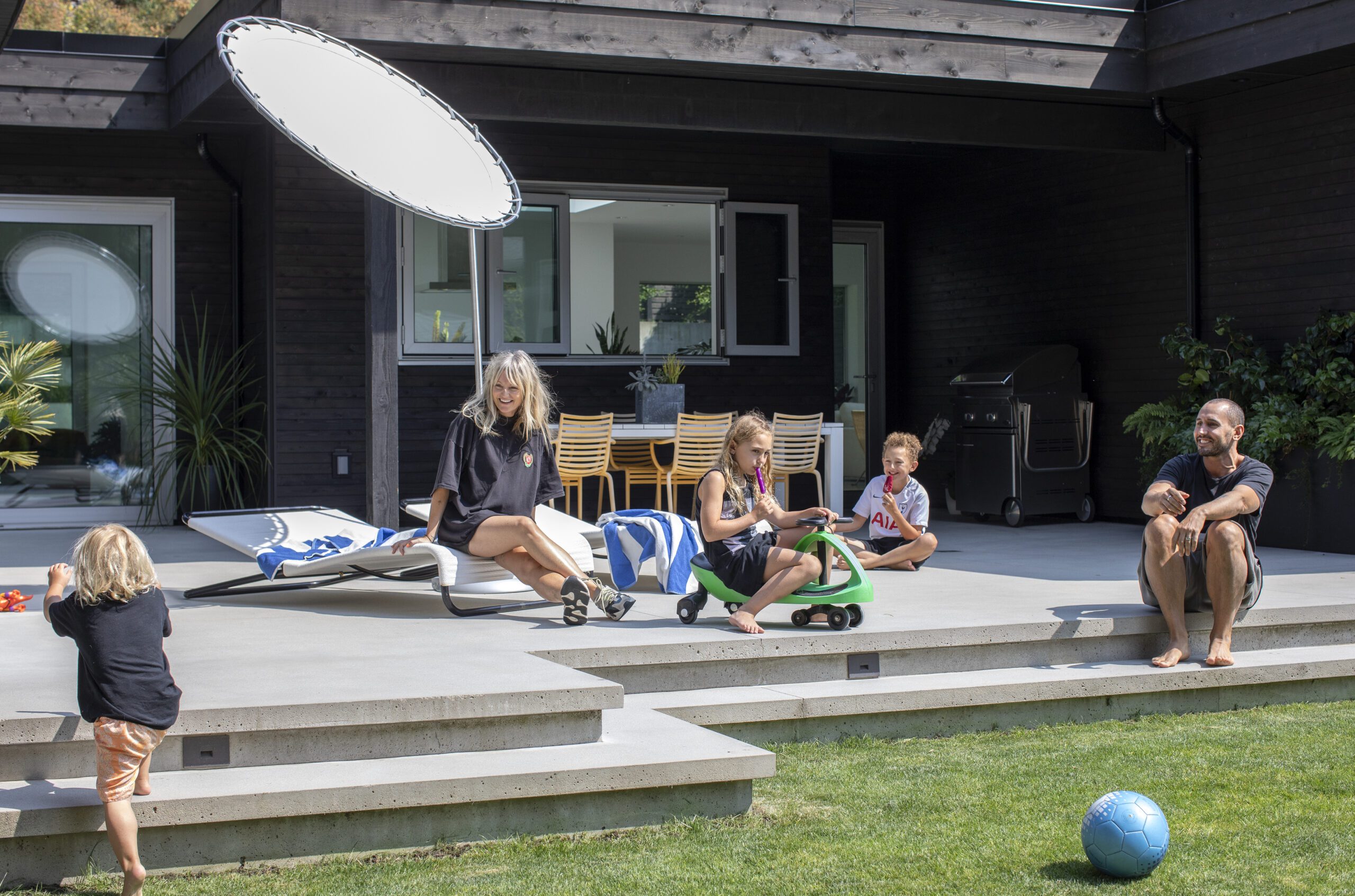
What Is a Multi-Generational Home?
Definition: A multi-generational home is a home designed for two or more adult generations of the same family living together.
A multi-generational home, sometimes called an intergenerational home, is designed and built so multiple generations of a family can live on the same property. This can include parents and adult children, grandparents, or extended family members sharing a home while maintaining varying levels of independence.
Unlike a traditional single-family home, multi-generational homes are intentionally designed to support both shared living and private spaces. The goal is to create a layout that allows family members to stay connected while still having the comfort and autonomy of their own living areas.
Common Reasons Families Consider Building a Multi-Generational Home
Families choose multi-generational living for many different reasons. Some of the most common situations include:
- Aging parents moving in with adult children to stay close to family while maintaining independence.
- Adult children staying at home longer, often due to rising housing costs.
- Grandparents helping with childcare, creating a supportive family environment.
-
Families planning for long-term support, with homes designed to adapt as needs change over time.
In many cases, families want the benefits of living together while still having separate spaces for daily life.
Types of Intergenerational Living Arrangements
Multi-generational homes can be designed in several different ways depending on the property, zoning regulations, and the level of independence each household wants.
The table below shows some of the most common multi-generational living arrangements in North Vancouver.
| Living Arrangement | Description | Design Considerations |
| Shared Home Layout | Multiple generations live within the same home but share many spaces. | Larger kitchens, multiple living rooms, flexible layouts |
| Suite Within the Home | A private suite for parents or adult children within the main house. | Separate entrance, kitchenette, private bathroom |
| Coach House* | A detached secondary home built on the same property. | Full independence, privacy, and separate living |
| Laneway Home* | A small standalone home built at the rear of a property. | Zoning requirements, privacy, and parking |
*Coach houses and laneway homes are often the most effective ways to design a multi-generational property. They provide a high level of privacy and independence while still allowing families to live close together.

Why Are Multi-Generational Homes Becoming More Popular?
Quick Answer: Multi-generational homes are becoming more popular due to rising housing costs, Canada’s aging population, and the growing desire for families to live closer together while still maintaining independence.
Multi-generational living is becoming increasingly common in Canada as families look for ways to adapt to rising housing costs, aging family members, and changing lifestyles.
According to Statistics Canada, there were 441,750 multi-generational households in Canada in 2021, a 21.2% increase from 2011. This growth reflects broader social and economic changes influencing how families choose to live.
Several factors are driving the rise of multi-generational homes.
Rising Housing Costs
Housing affordability has become a major challenge in many Canadian cities, including North Vancouver. Living together allows families to share housing costs, making it easier to afford larger homes and properties.
Pooling resources can help families:
- Purchase a home in higher-cost markets
- Share mortgage and living expenses
- Build long-term financial stability
Aging Parents and Long-Term Care
Canada’s population is aging, and many families want to keep parents close while still supporting their independence.
In this case, building a multi-generational home can make it easier to:
- Provide day-to-day support for aging parents
- Reduce reliance on assisted living facilities
- Allow older adults to remain part of family life
Changing Lifestyles and Family Support
Many families today are choosing to build homes that allow them to stay connected while maintaining independence, creating stronger family support systems.
Intergenerational homes make it easier for families to:
- Share childcare responsibilities
- Provide help during major life transitions
-
Spend more time together as a family
As housing costs, demographic changes, and lifestyle preferences continue to evolve, multi-generational homes are likely to become an increasingly important housing option for families in British Columbia and across Canada.
Top Benefits of Building a Multi-Generational Home
Building a multi-generational home can offer practical, financial, and lifestyle advantages for families who want to live close together while maintaining independence.
Some of the key benefits include:
-
Shared housing costs. Families can pool financial resources to buy or build larger homes in higher-cost markets like North Vancouver. Sharing mortgage payments, utilities, and property taxes can make homeownership more attainable.
-
Built-in family support. Living close together allows family members to support one another with childcare, daily responsibilities, and major life transitions.
-
Aging in place. Older family members can remain close to family while maintaining independence. Accessible design features, such as main-floor bedrooms and accessible bathrooms, can make long-term living more comfortable.
-
Stronger family connections. Intergenerational living allows families to spend more time together and maintain close relationships across generations.
-
Greater flexibility for changing family needs. A thoughtfully designed mult-generational home can adapt over time, whether that means accommodating adult children, supporting aging parents, or creating space for future generations.
- Potential for separate living spaces. Features like secondary suites, coach houses, or laneway homes allow families to live on the same property while maintaining privacy and independence.
For many families, these benefits make building a multi-generational home a practical and future-focused housing solution.
Steps to Designing a Multi-Generational Home
Designing a multi-generational home requires thoughtful planning to ensure the home balances privacy, independence, and shared family spaces. Taking the time to plan the layout and long-term needs of each household member can help create a home that works well for everyone.
Here are the most important steps to designing an intergenerational home.
1. Identify Each Generation’s Needs
Start by understanding how each household member will use the home.
Ask yourself:
- Will my aging parents need accessible living spaces?
- Will my adult children need private living areas?
-
How much time will family members spend in shared vs. private spaces?
Clarifying these needs early on will help guide the overall design of your home.
2. Choose the Right Living Arrangement
Multi-generational homes can be designed in several ways, depending on the level of independence each household member wants.
Common options include:
- A private suite within the main home
- A separate living area with its own entrance
-
A detached coach house or laneway home
Each option offers a different balance of flexibility and privacy.
Discuss these options with your family. An experienced North Vancouver builder can also provide valuable advice based on previous projects.
If you’re looking for personalized advice about building a multi-generational home, give Greg at Hasler Homes a call at 778-688-7846.
3. Design for Privacy and Independence
One of the most important aspects of intergenerational living is ensuring each household has enough privacy.
Key design features may include:
- Separate entrances
- Secondary kitchens or kitchenettes
- Separate living areas
-
Sound-insulated walls or floors/ceilings
These features will allow your family members to live close together while still maintaining independence.
4. Plan for Accessibility and Long-Term Living
Multi-generational homes often need to support family members at different stages of life.
Design features that can improve long-term comfort include:
- Main-floor bedrooms
- Accessible bathrooms
- Wider hallways and doorways
-
Minimal stairs where possible
Planning for accessibility from the start can make your home easier to adapt over time, allowing aging family members to age in place.
5. Work With an Experienced Builder Early
Designing a home for multiple generations often means balancing different household needs, layout options, and zoning considerations.
Working with an experienced custom home builder early in the process can help ensure your home is thoughtfully designed to support privacy, flexibility, and long-term living.
If you’re considering building a multi-generational home in North Vancouver or the surrounding area, the team at Hasler Homes can guide you through the design and planning process to create a home that works for every generation.
Give us a call or use our contact form to book a free consultation.
Expert Design Tips for Building a Multi-Generational Home
Designing a home for multiple generations requires thoughtful planning and practical design solutions.
Based on Hasler Homes’ experience building multi-generational homes across the North Shore, here are some features and layout ideas Greg often recommends.
- Prioritize separate entrances whenever possible. Separate entrances offer independence and privacy and can make daily routines easier for everyone.
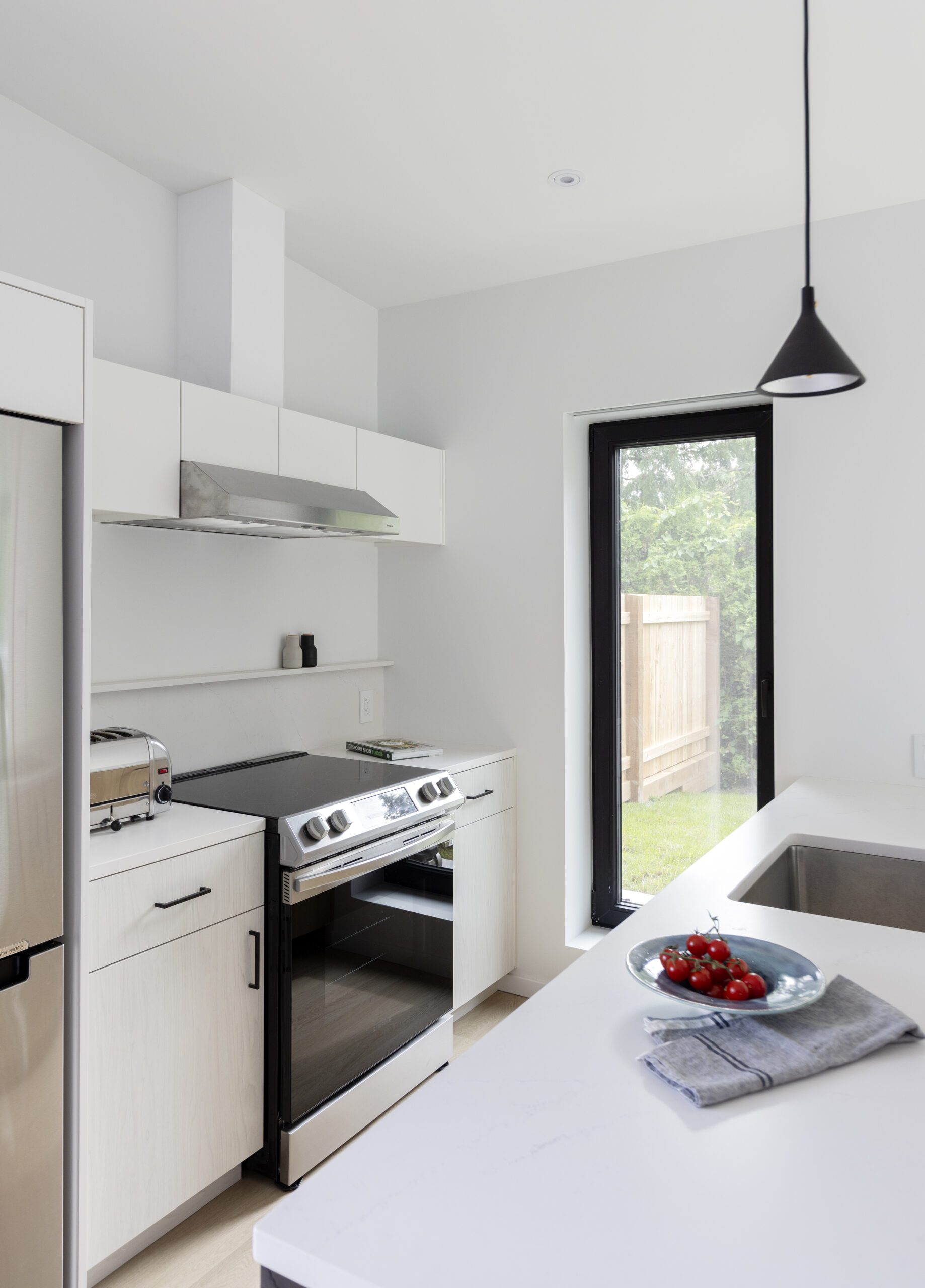
- Include secondary kitchens or kitchenettes. Having a second kitchen allows family members to prepare meals independently and reduces pressure on shared spaces.
- Create flexible living spaces. Designing flexible spaces that can serve as guest suites, secondary living rooms, or future bedrooms will allow your home to adapt as family needs change.
- Plan for sound separation. Adding sound-insulated walls and ceilings can significantly improve comfort, especially when multiple households are living in the same home.
- Incorporate accessible design features. Elements like main-floor bedrooms, accessible bathrooms, and wider hallways can make your home easier to adapt as family members age. This allows older generations to age in place without the need for major renovations or upgrades in the future.
- Consider smart home technology. For example, automated and voice-controlled lighting, thermostats, and security systems can make daily tasks easier, particularly for older family members who may have mobility or accessibility challenges.
- Include multiple laundry areas. Separate laundry spaces can make daily life more convenient when several households share one property.
- Design private outdoor areas. Outdoor patios, balconies, or garden spaces give each household a place to relax outside while still sharing the same property.
- Incorporate energy-efficient systems. Features such as high-efficiency HVAC systems, energy-efficient windows, and solar panels can help reduce long-term operating costs while supporting future expansions or additional living spaces.
- Consider detached living options. In some cases, a coach house or laneway home can provide the ideal balance between independence and proximity for extended family members.
Looking for more ideas for your custom home or renovation? Check out our recommendations for custom home features.
Real Examples of Multi-Generational Homes Built By Hasler Homes
Many of the design strategies discussed above can be seen in real multi-generational homes built by Hasler Homes across the North Shore.
The following projects highlight different ways families can create flexible living spaces while maintaining privacy and independence.
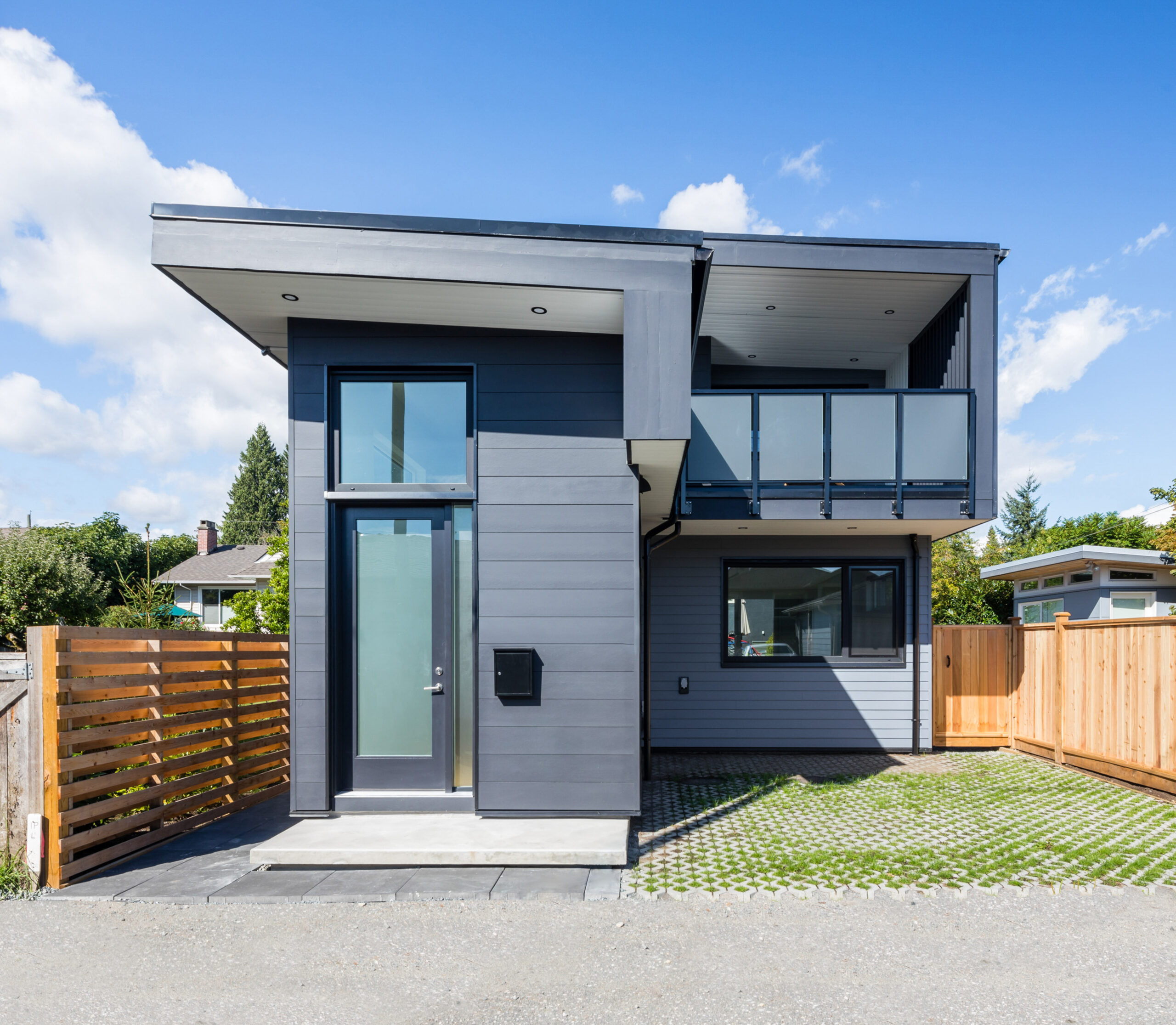
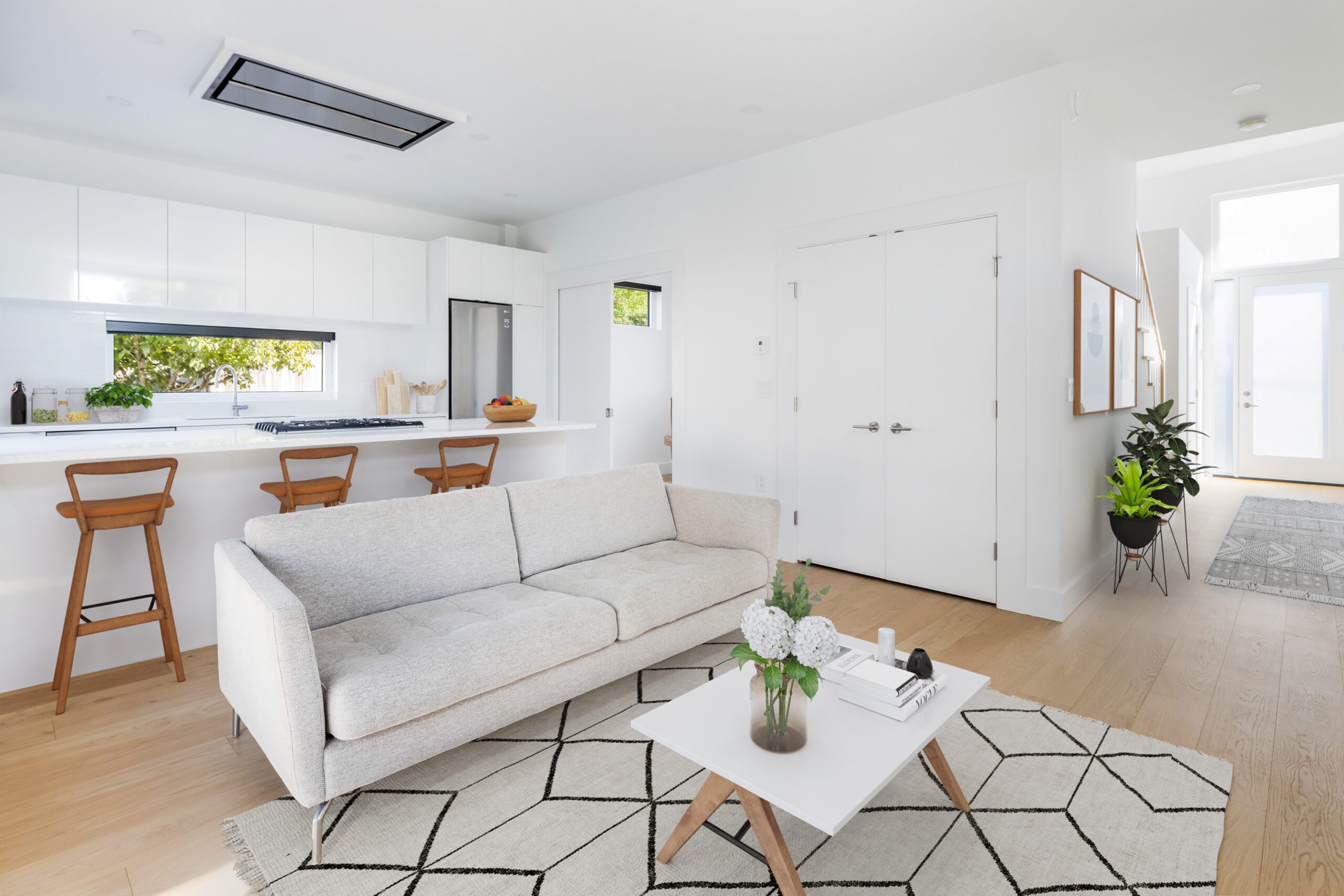
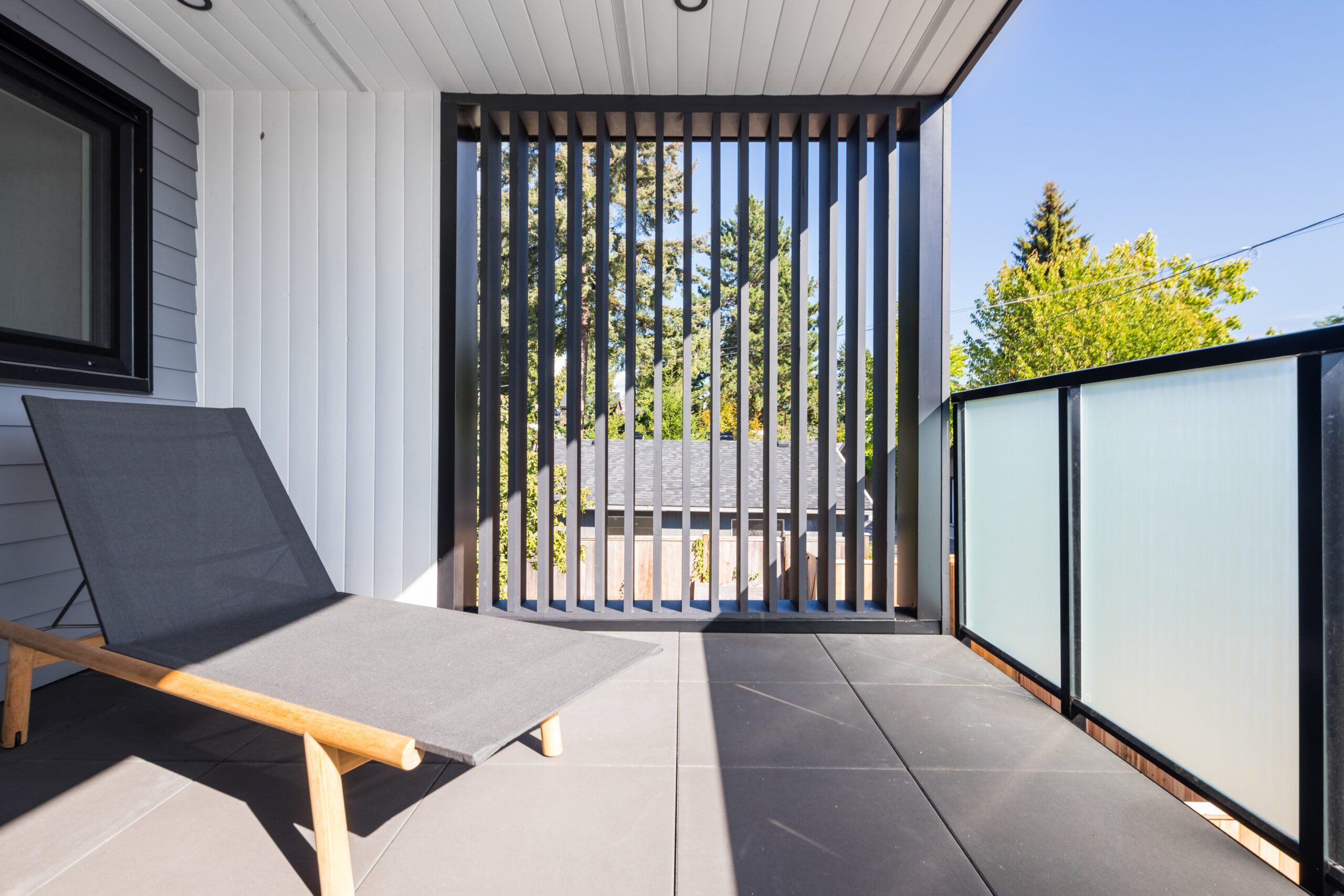
ModCo
ModCo is a custom-built coach house designed to provide an independent living space on the same property as the main home.
The compact layout includes a full kitchen, living area, and bedroom, showing how a well-designed secondary dwelling can support intergenerational living while maintaining privacy.
Type of Multi-Generational Home:
Carriage home (coach house)
Home Features:
- Detached secondary dwelling for independent living
- Efficient, compact floor plan
- Private outdoor living spaces
- Modern architectural design
- Sustainable and energy-efficient (Certified Built Green Gold)
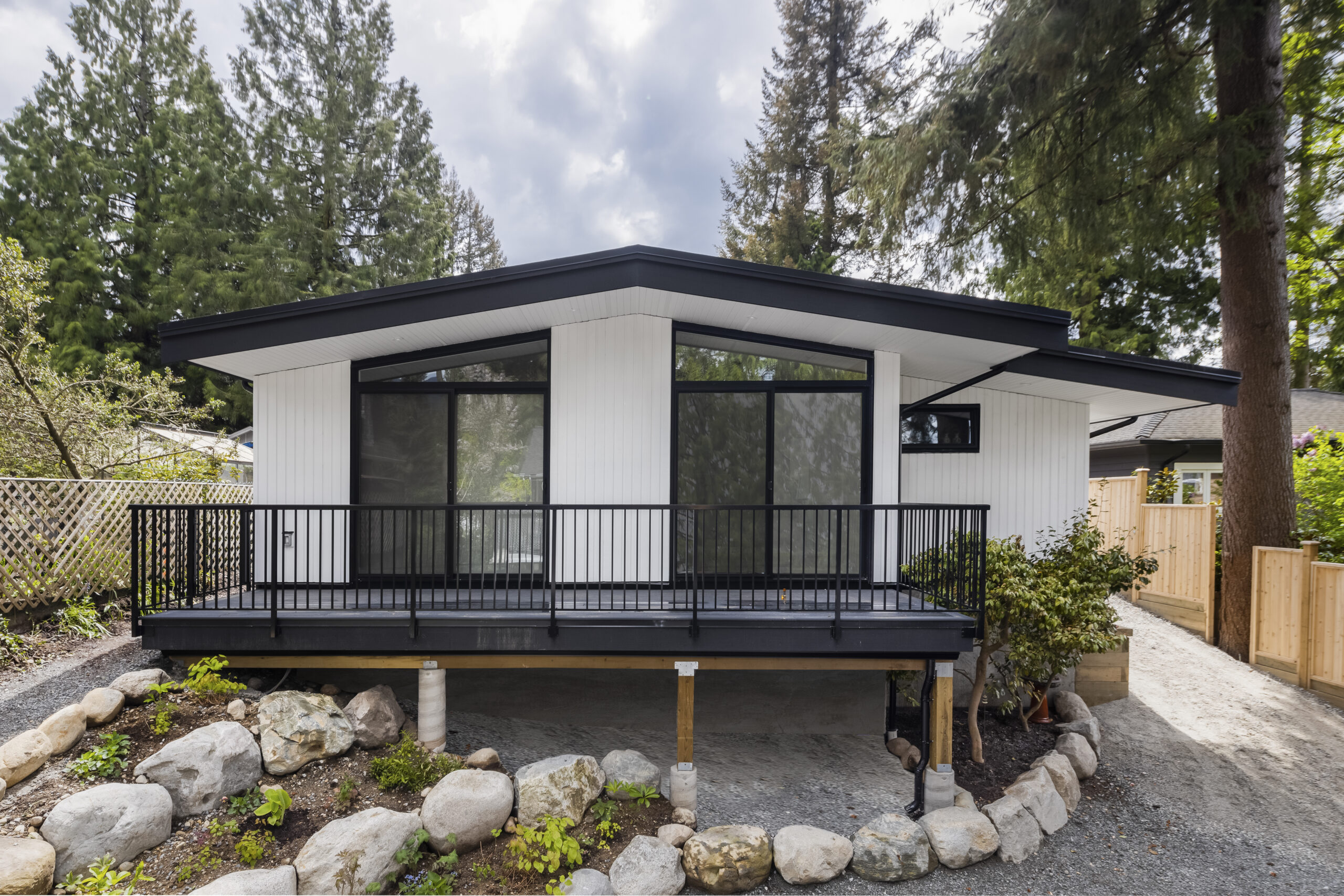
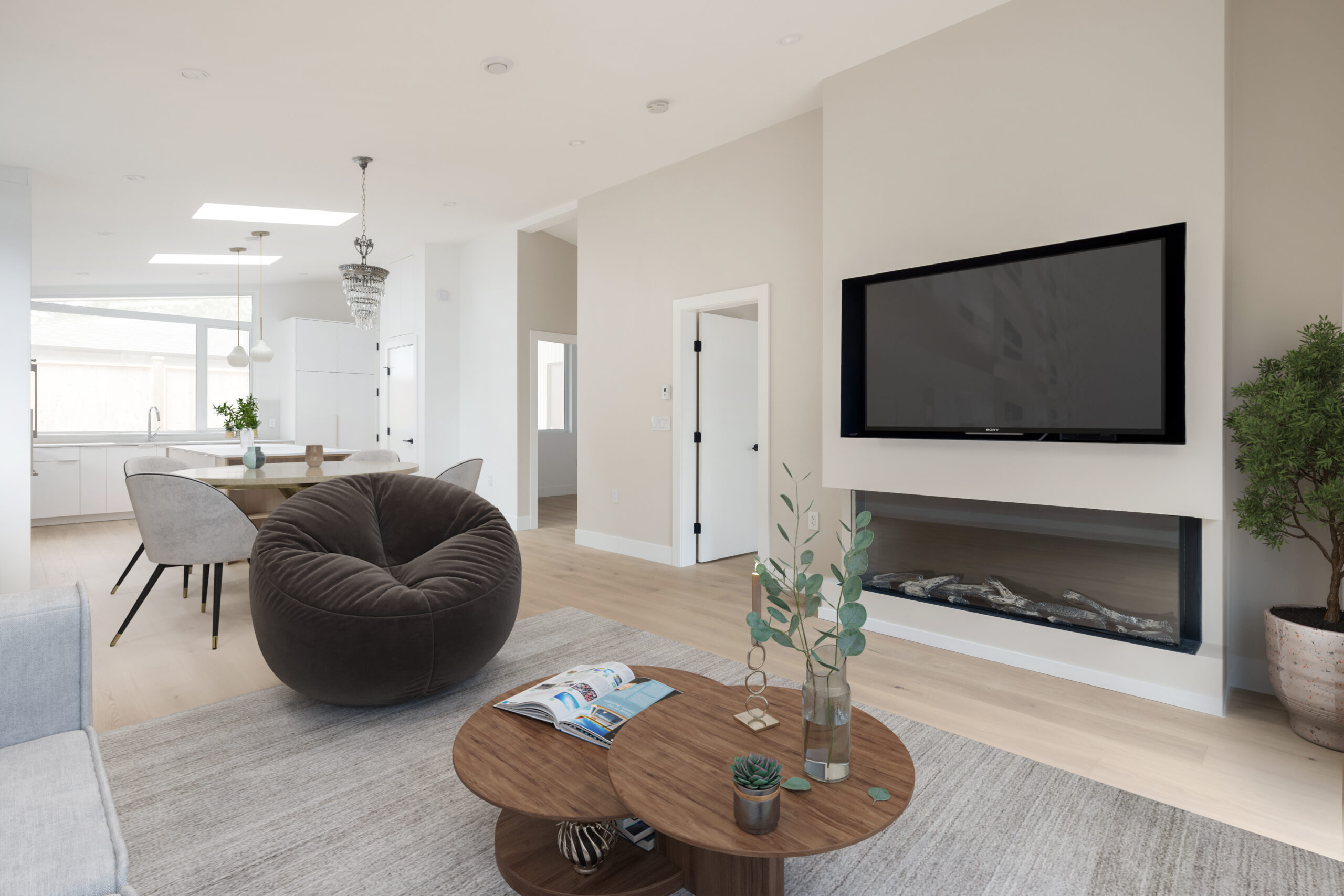
Twenty-Two
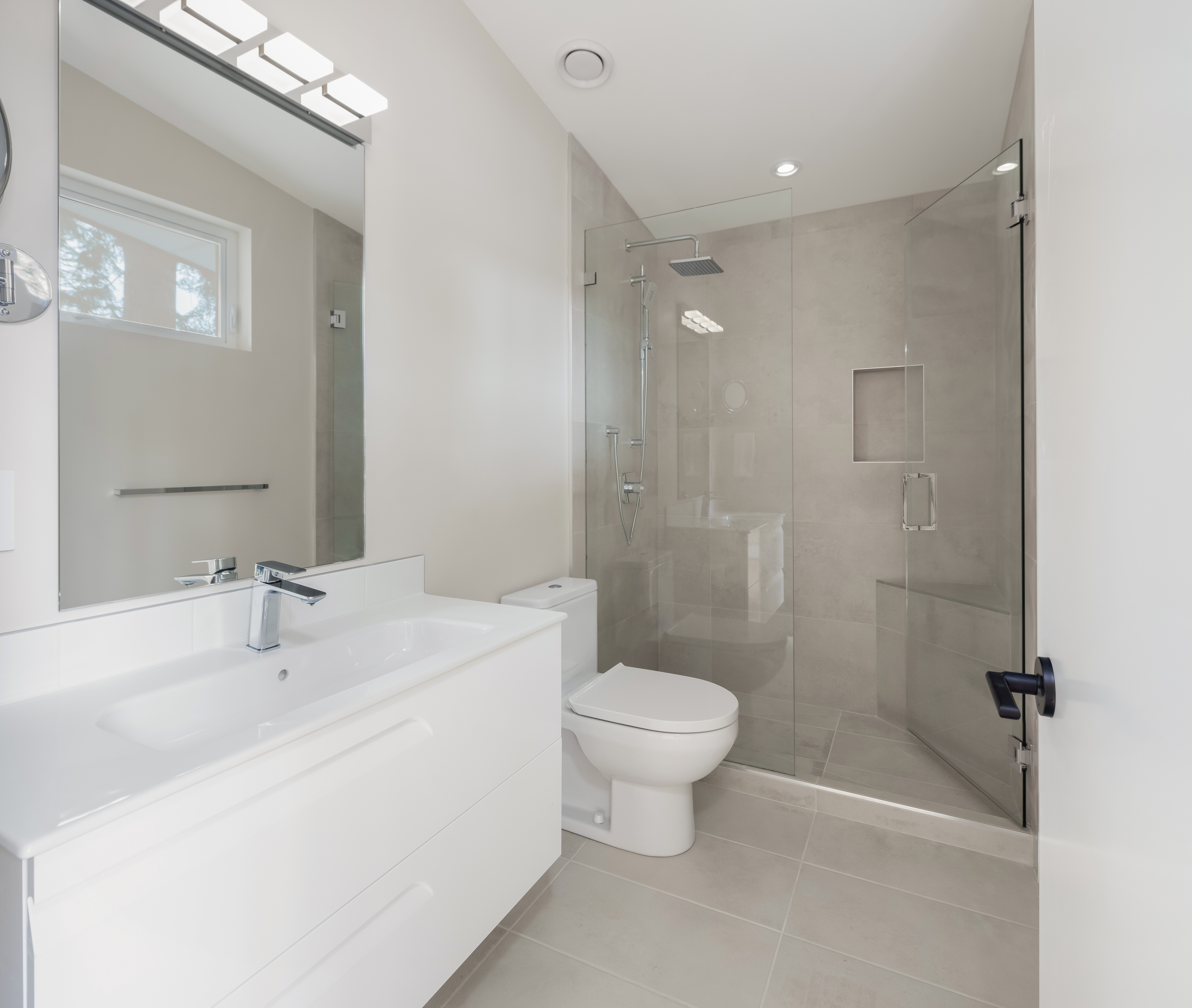
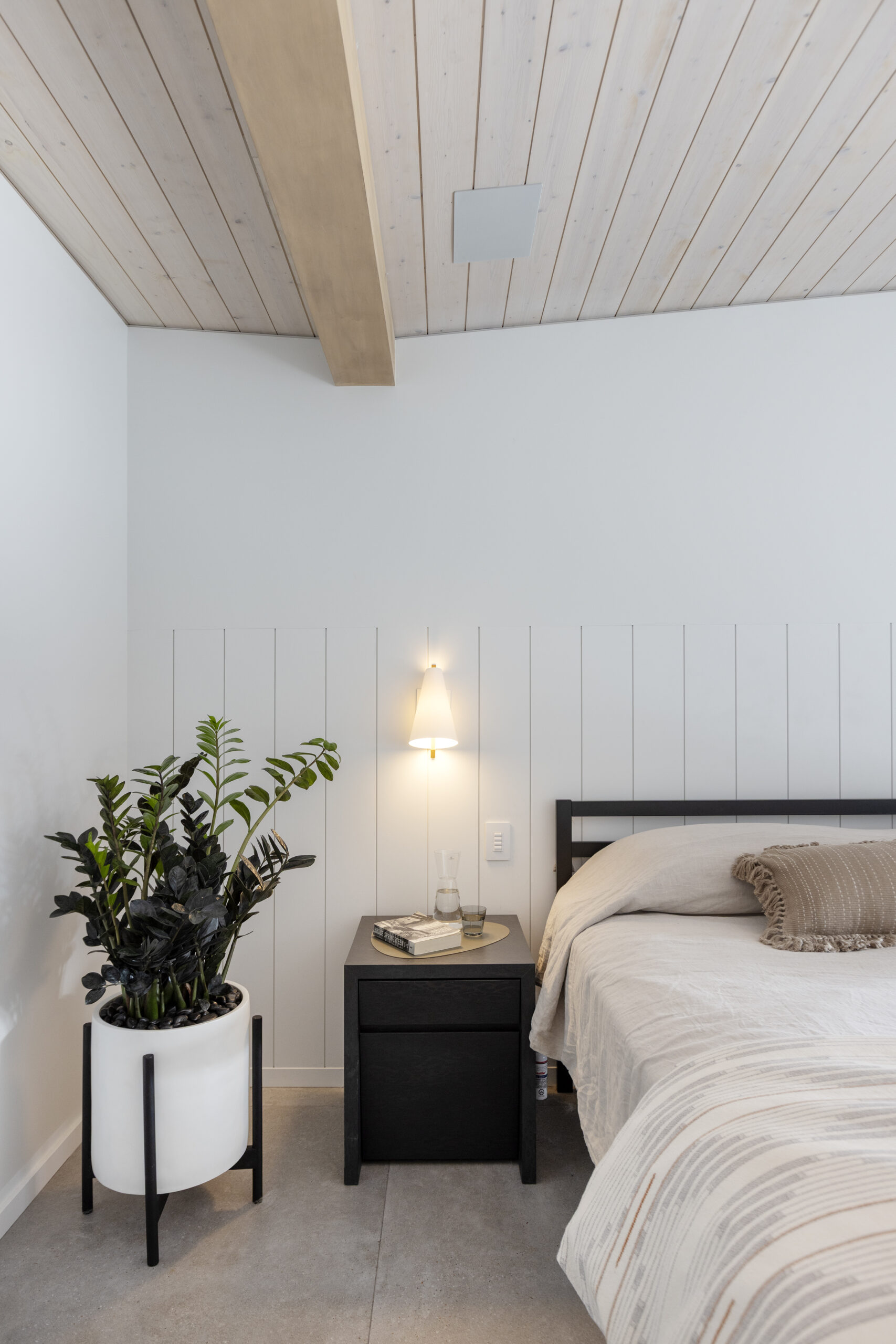
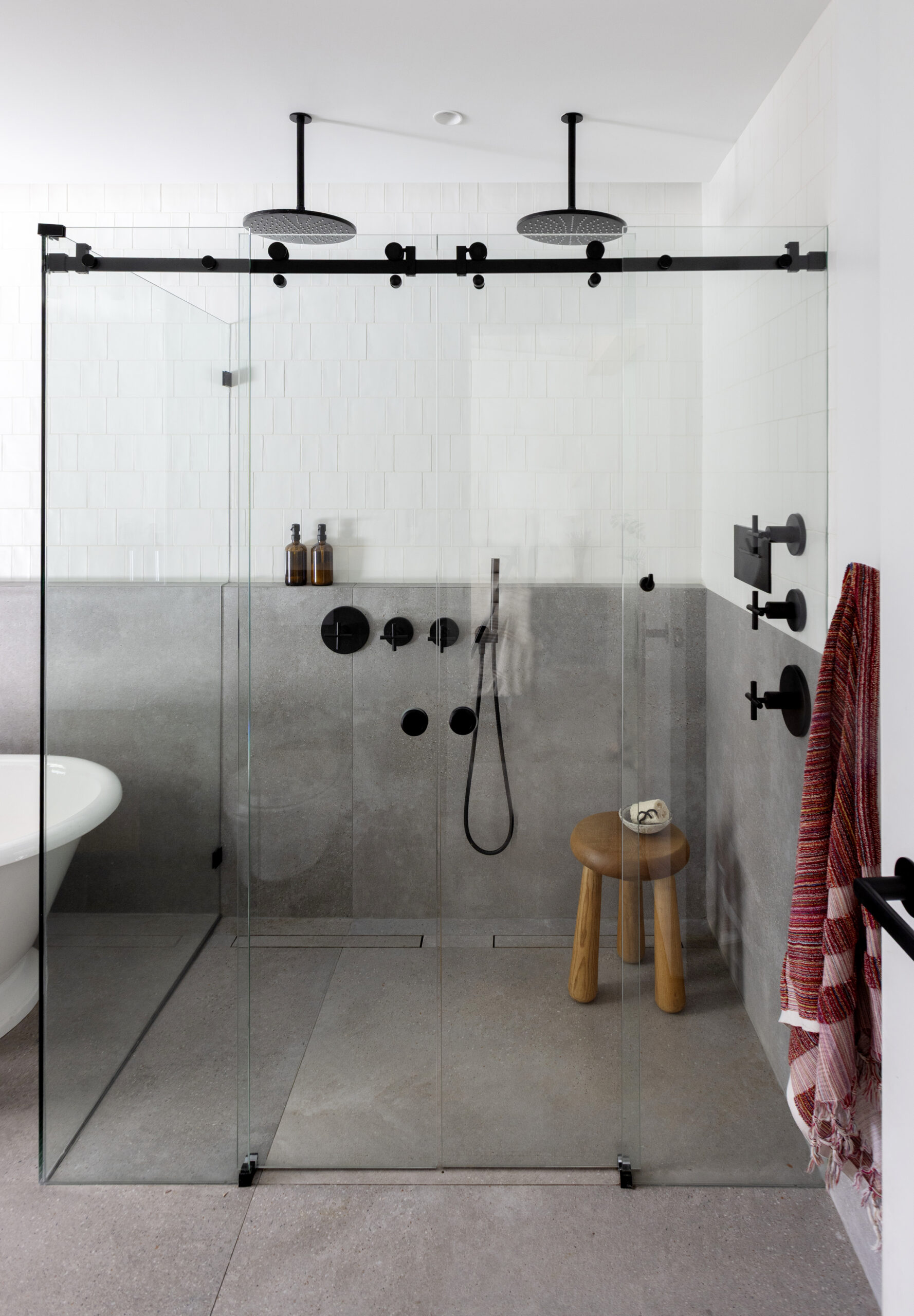
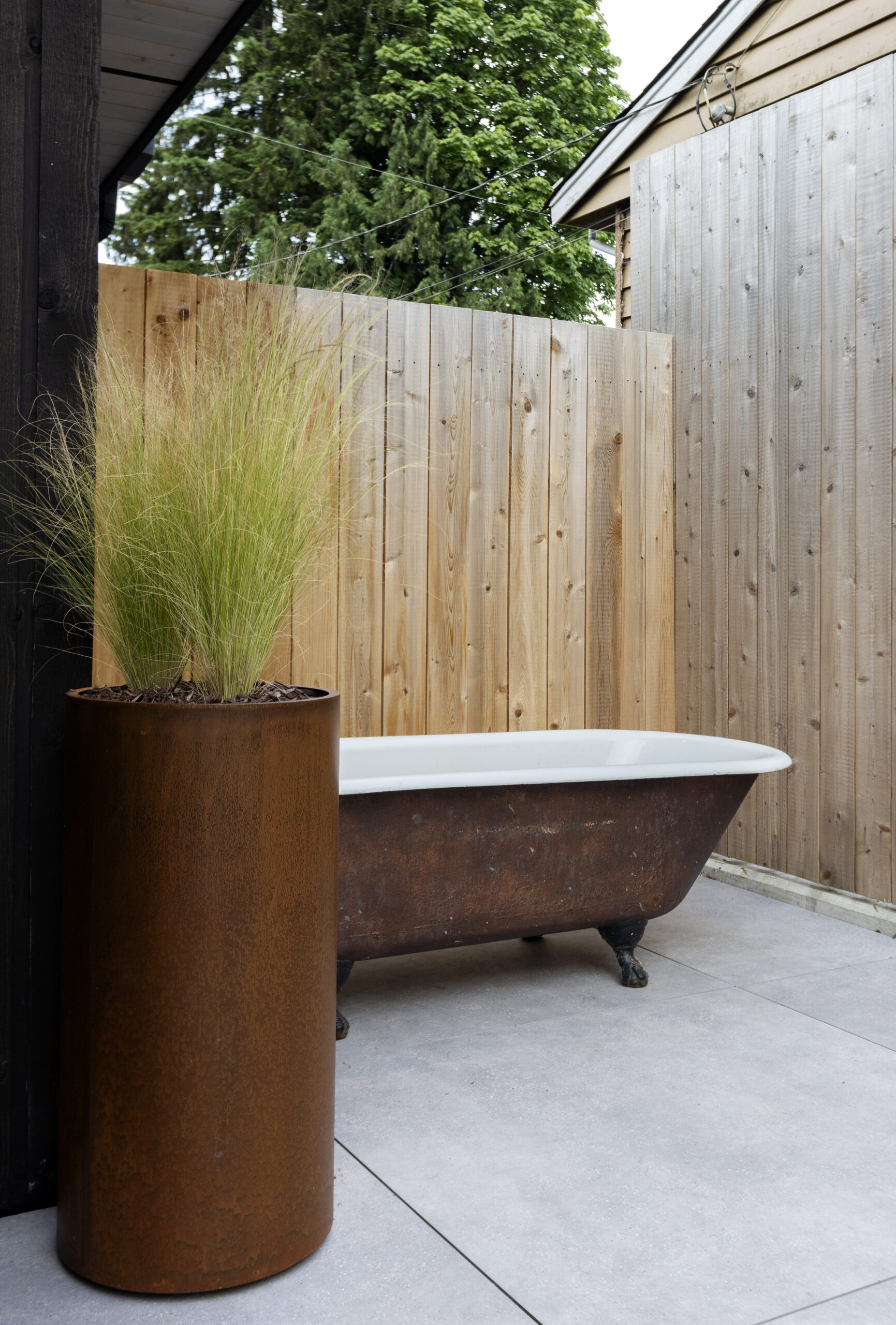
Twenty-Two is a custom carriage home built to help a North Vancouver family create space for multiple generations. The laneway home was designed for the older generation of the family to live independently while their children remained in the main house.
Type of Multi-Generational Home:
Laneway home/coach house
Home Features:
- Separate dwelling on the same property that allows family members to live independently while remaining close to one another
- Bright, open interior with natural light
- Open kitchen and living space
- Accessible features, like accessible bathrooms
- Private outdoor living areas
Valleyhouse
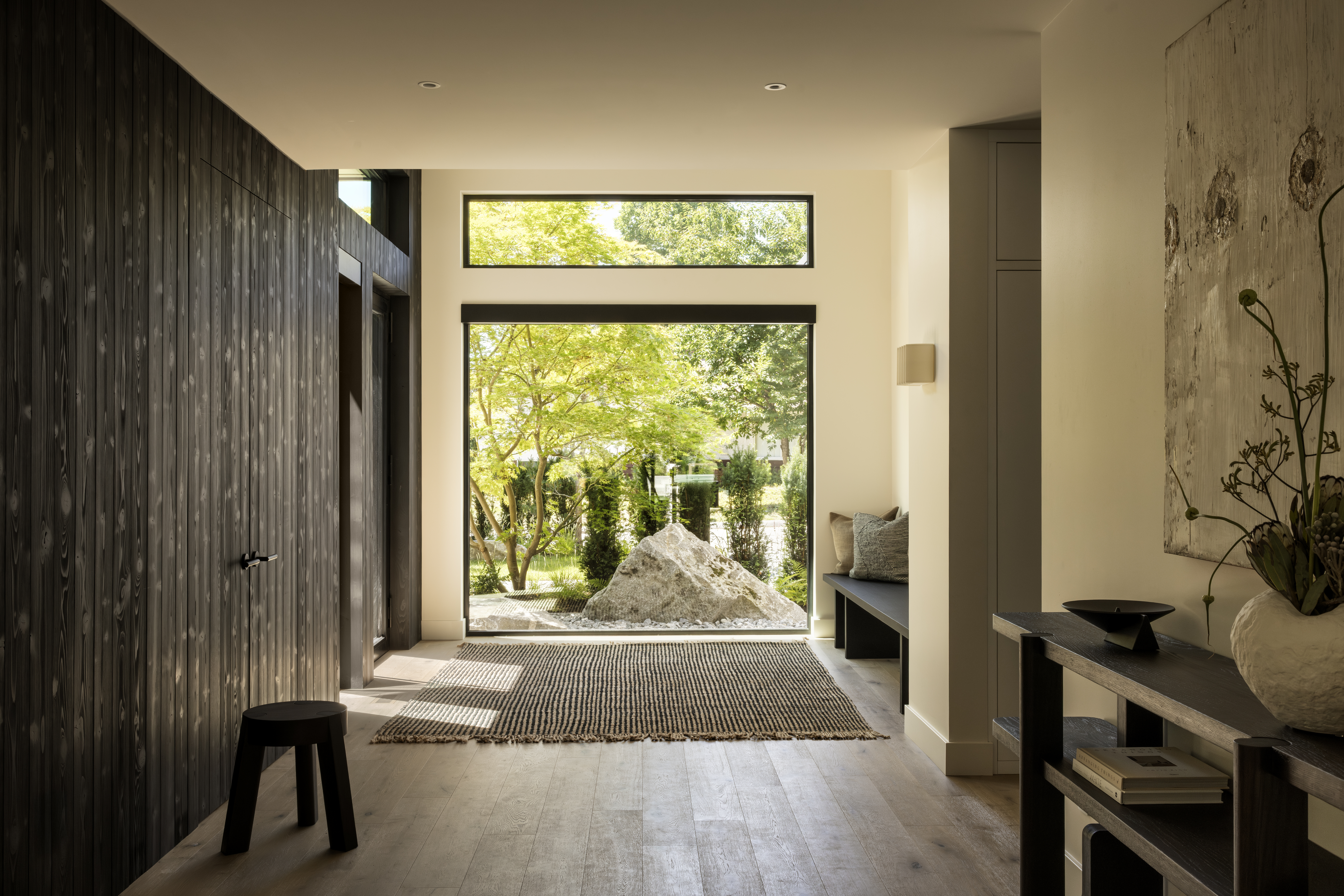
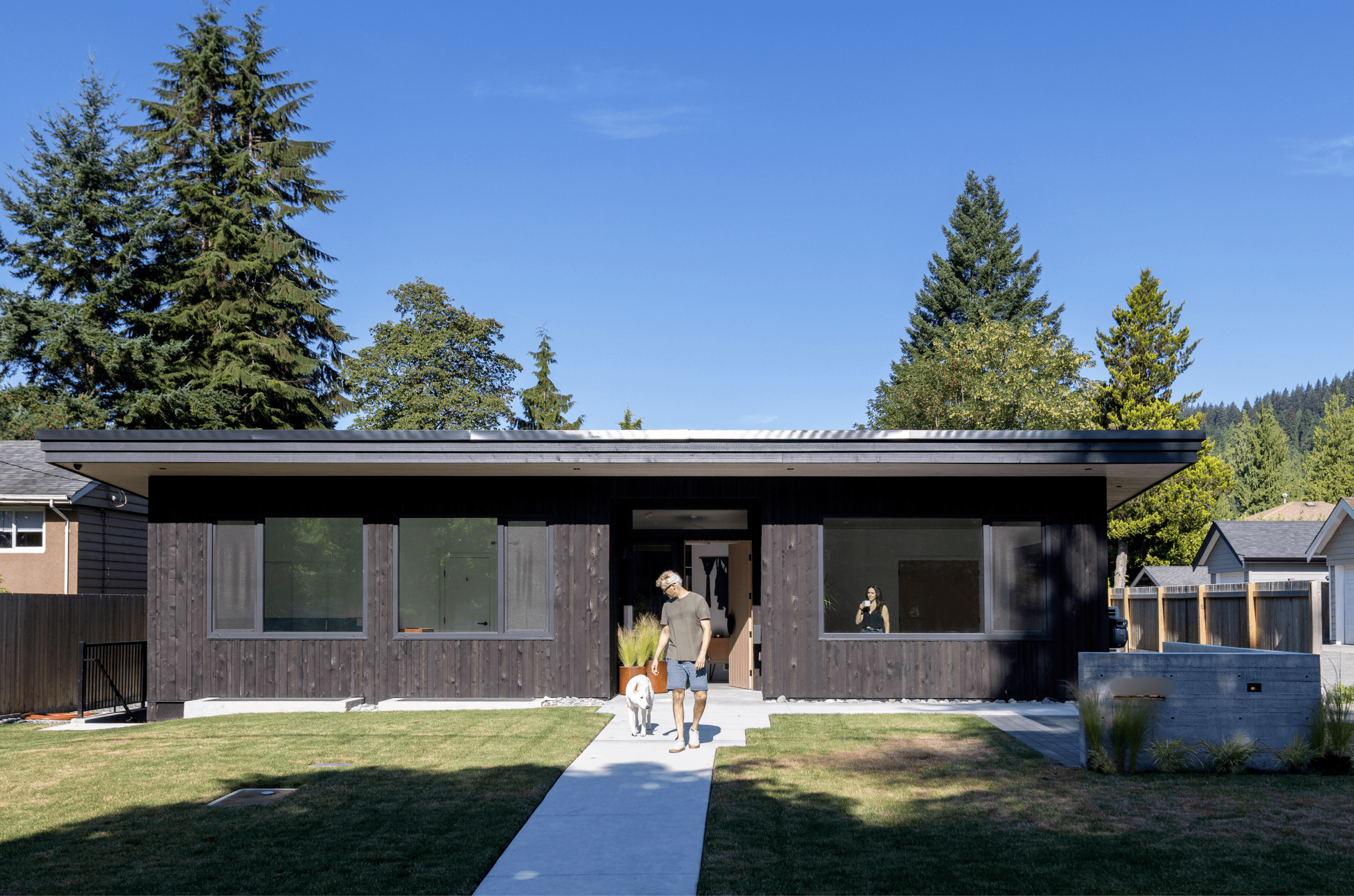
Valleyhouse is a custom-built, eco-friendly modern rancher in Lynn Valley designed to support comfortable family living and year-round indoor-outdoor connection. The property includes flexible living spaces and a secondary dwelling designed to accommodate the homeowners’ growing family and future generations.
Type of Multi-Generational Home:
Custom home with coach house
Features:
- Main home with flexible family living spaces
- Detached coach house for extended family
- Indoor-outdoor living spaces
- Sustainable and energy-efficient design (Certified Built Green Platinum)
- Convenient features such as main-floor bedrooms and accessible bathrooms
Pro Tip: Don’t Overlook the Multi-Generational Home Renovation Tax Credit
If you’re planning on building a multi-generational home, it’s worth knowing about the Multigenerational Home Renovation Tax Credit (MHRTC) offered by the Government of Canada.
This federal refundable tax credit helps families offset the cost of creating a secondary dwelling unit for an eligible family member.
The credit allows homeowners to claim:
- 14.5% of up to $50,000 in eligible renovation expenses
-
A maximum tax credit of $7,250
The secondary dwelling must be built to support:
- A senior aged 65 or older, or
-
An adult family member with a disability
Eligible renovations can include work that creates a self-contained living space within or attached to an existing home, such as:
- Adding a private suite
- Converting part of an existing home
- Building a secondary unit attached to the home
The renovation must create a self-contained secondary dwelling unit, typically including a private entrance, kitchen, bathroom, and sleeping area.
If you’re planning a multi-generational renovation or considering adding a suite to an existing home, this credit may help reduce the overall cost of the project.
For full eligibility details, see the Government of Canada Multigenerational Home Renovation Tax Credit guidelines.
Planning a Multi-Generational Home in North Vancouver?
Designing a home that works for multiple generations takes thoughtful planning and the right team.
At Hasler Homes, we specialize in custom homes and renovations that support how families live today and how their needs may evolve in the future.
If you’re considering renovating or building a multi-generational home, get in touch with our team to start the planning process.
Contact us to book a consultation and explore what’s possible for your North Shore property.
Frequently Asked Questions About Multi-Generational Homes
Families considering a multi-generational home often have questions about design, zoning, and long-term value. Below are answers to some of the most common questions homeowners ask when planning to build a multi-generational home.
What is the best layout for a multi-generational home?
The best layout balances shared family spaces with private living areas. Many multi-generational homes include a self-contained suite within the main house or a detached dwelling such as a coach house or laneway home.
Separate entrances, private living spaces, and flexible rooms can help ensure each generation has both independence and opportunities to connect.
What features should a multi-generational home include?
A well-designed multi-generational home should support privacy, accessibility, and flexibility for the future. Features such as separate entrances, secondary kitchens or kitchenettes, sound insulation between living spaces, accessible bathrooms, and flexible rooms can help families live comfortably together while maintaining independence.
Can you build a coach house or laneway home in North Vancouver?
In most cases, you can build a coach house or laneway home in North Vancouver, provided your lot meets specific zoning, size, and utility requirements.
Both the City of North Vancouver and the District of North Vancouver have guidelines that regulate where these homes can be built. Homeowners should review local regulations and speak with an experienced local builder before planning a project.
For more information, visit the City of North Vancouver or District of North Vancouver websites:
City of North Vancouver: https://www.cnv.org/business-development/permits-inspections/building-permits/new-coach-house
District of North Vancouver: https://www.dnv.org/business-development/build-coach-house
Is building a multi-generational home a good investment?
Building a multi-generational home is a good investment for many families because it offers both financial and lifestyle benefits.
In high-cost housing markets like North Vancouver and Metro Vancouver, combining resources can make it easier for families to afford larger homes or properties. Multi-generational homes can also support aging parents, accommodate adult children, offer built-in family support, or create secondary living spaces that may add long-term value to the property.
Designing your home with an adaptable layout, separate entrances, or secondary dwellings can help ensure the property continues to meet your family’s needs over time.