How to Plan a Home Renovation Timeline: 1. Define your project scope. 2. Establish a realistic budget. 3. Assemble your renovation team early. 4. Organize the project into logical phases and plan your renovation timeline phase by phase. 5. Build flexibility into your schedule for unexpected delays. Careful planning before construction begins is the best way to keep your renovation on track.
Planning a home renovation timeline can feel overwhelming, especially if you’ve never renovated before. Between design decisions, permits, material lead times, budgeting, and construction, there are many moving parts that influence how long your renovation will take. Therefore, for most projects, it’s best to start planning several months before you hope to begin construction.
In this guide, we’ll show you how to plan a home renovation timeline step by step, explain what to expect throughout the renovation process, and share practical advice based on our experience planning and delivering award-winning home renovations in North Vancouver.
Table of Contents:
What Does a Home Renovation Involve?
How to Plan a Home Renovation Timeline Step By Step
How Long Does a Renovation Usually Take?
What Can Delay a Home Renovation Timeline?
What Are Common Renovation Timeline Mistakes?
Start Your Renovation the Right Way
Still Have Questions?
What Does a Home Renovation in North Vancouver Involve?
Quick Answer: Home renovations in North Vancouver typically involve planning, design, permits, material ordering, site preparation, construction, inspections, interior finishing, and a final walkthrough. While every project is unique, most renovations follow this general sequence.
Before we explain how to plan a home renovation timeline, it helps to understand the major phases involved in a typical renovation project. Understanding what happens at each stage will make it easier to build a realistic timeline and know what to expect throughout your project.
The table below outlines the phases of a home renovation and the work typically completed during each stage.
| Renovation Phase | Typical Activities |
| Planning | Define goals, establish a budget, meet with contractors and designers |
| Design | Prepare drawings, finalize layouts, choose finishes and fixtures |
| Permits & Approvals | Submit applications and obtain required municipal permits before construction begins |
| Material Selection & Ordering | Finalize and order materials such as cabinetry, windows, flooring, appliances, plumbing fixtures, lighting, and custom millwork |
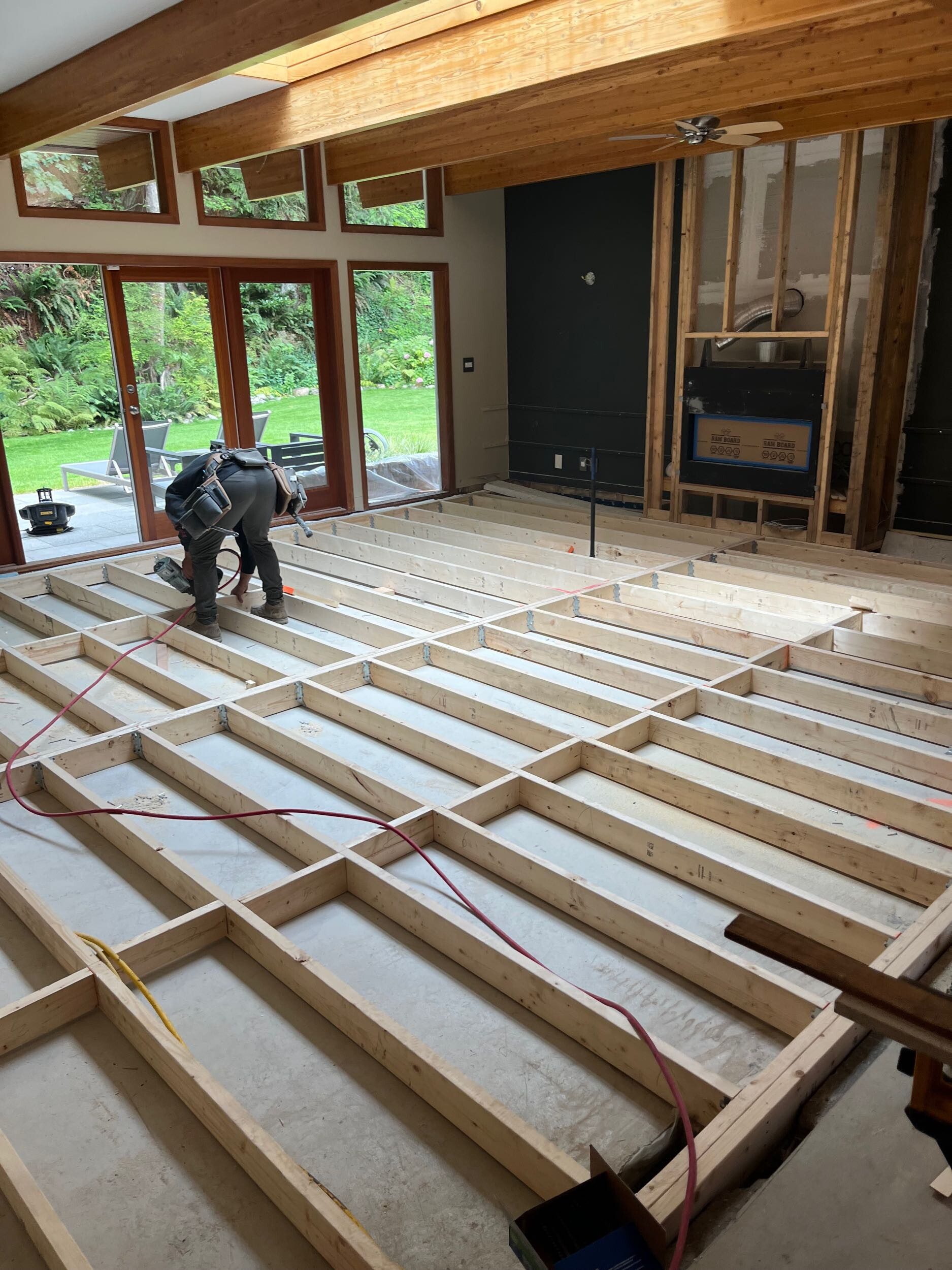
| Site Preparation | Protect the home, prepare the work area, complete demolition (if necessary) |
| Structural Work | Foundation work (if required), framing, structural modifications, and building envelope work |
| Mechanical Systems | Plumbing, electrical, and HVAC rough-ins before inspections and drywall |
| Inspections | Complete required municipal inspections before closing walls or moving to the next phase |
| Interior Finishes | Drywall, painting, cabinetry installation, flooring, tile, trim, lighting, finish carpentry |
| Final Walkthrough & Completion | Install final fixtures, complete touch-ups, conduct the final walkthrough, address any outstanding punch list items |
Although every renovation is unique, most projects follow this general sequence. However, the size and complexity of your renovation, permit requirements, material lead times, and unforeseen conditions will all influence how long each phase takes.
In the next sections, we’ll show you how to plan a realistic timeline and help keep your renovation on schedule.
How to Plan a Home Renovation Timeline Step By Step
The Key to Planning a Home Renovation Timeline: Rather than trying to assign exact dates and deadlines to every task, focus on building a logical sequence that allows enough time for planning, approvals, material ordering, and construction.
A successful renovation timeline doesn’t begin when demolition starts. It begins months earlier with thoughtful planning, realistic expectations, and the right renovation contractor.
Every renovation is different, but following these four steps will help you create a realistic timeline and reduce the risk of unnecessary delays.
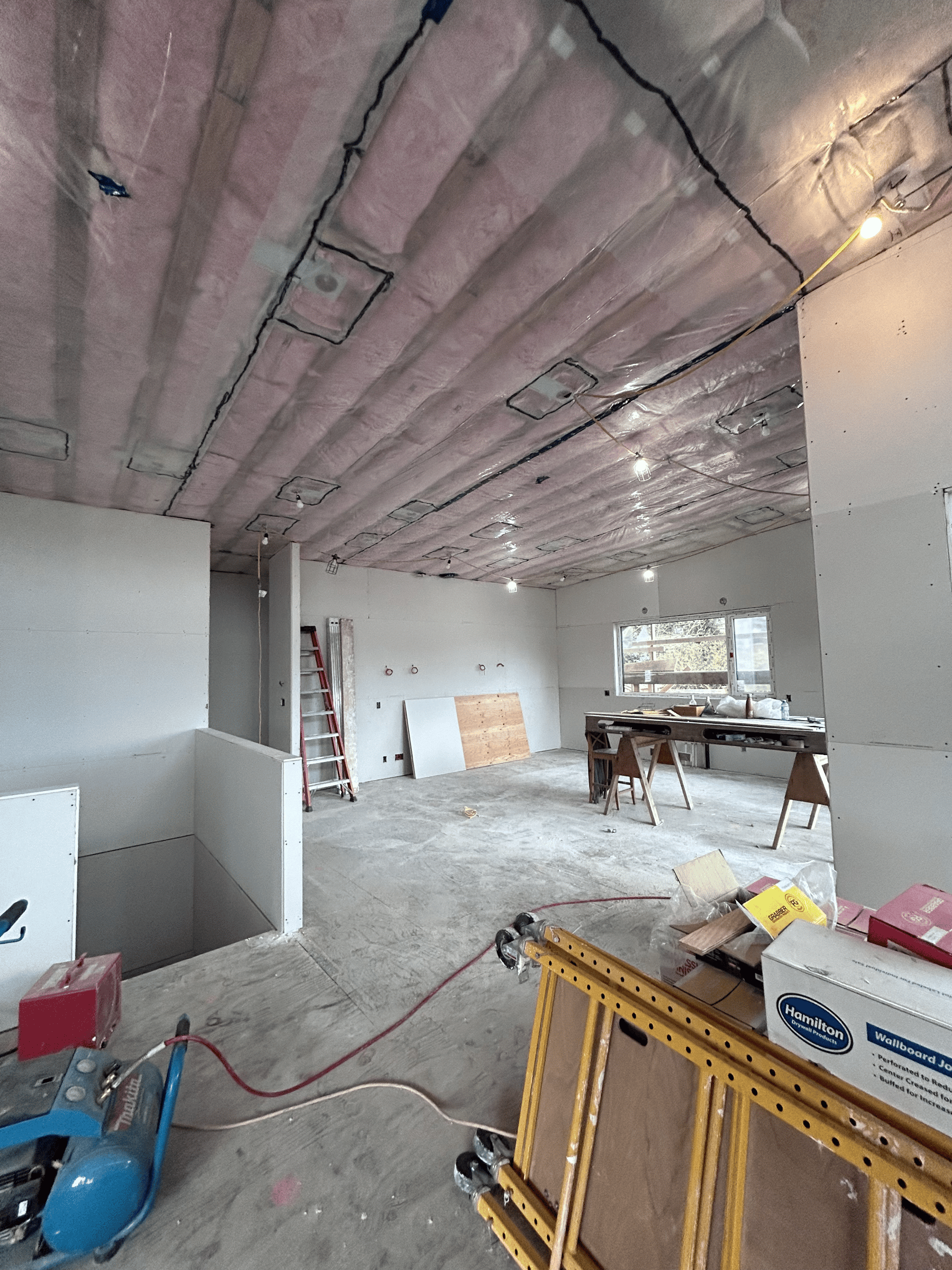
Step 1: Define the Scope of Your Renovation
The first step in planning a home renovation timeline is deciding exactly what you want to achieve with your reno.
A clearly defined project scope makes it much easier to estimate costs, build a realistic timeline, and assemble the right team.
Before speaking with a North Vancouver home renovation company, ask yourself these questions:
- Do I want to renovate specific rooms or the whole house?
- Do walls need to be removed?
- Will plumbing or electrical systems need to be relocated?
- What features or finishes are most important?
- Are there any future renovations or changes that I might want to make?
The clearer your goals, the easier it is to create a realistic renovation timeline and budget.
Insight from Greg Hasler: “One of the biggest causes of delays is when the project scope changes after construction has already begun. Spending more time planning upfront usually results in a smoother renovation.”
Step 2: Establish Your Budget Before Creating a Timeline
Your renovation budget directly impacts your timeline.
The finishes you choose, the complexity of the work, and the level of customization all influence how long your renovation will take. For example, custom cabinetry, specialty windows, imported tile, and premium fixtures often require significantly longer lead times than standard, readily available products.
When building your budget, be sure to account for:
- Construction costs
- Design fees
- Engineering (if required)
- Permits and municipal fees
- Electrical and plumbing costs
- Appliances and finish selections
- Temporary accommodation, if needed*
- A contingency for unexpected costs
Having a realistic budget early helps prevent design changes or material substitutions later, both of which can extend your renovation timeline.
Insight from Greg: “The total cost of your home renovation will depend on the complexity of the reno and the interior and exterior building materials and finishes you choose.”
*Depending on the scope of your renovation, you may need to plan for temporary accommodation. Whole-home renovations and projects involving kitchens or multiple bathrooms often require homeowners to move out for part or all of the construction period. Your renovation contractor can help you decide if temporary accommodation is necessary.
Not sure how much to budget for your reno? Full-service home renovation contractors like Hasler Homes can help you plan your home renovation timeline and budget. Give us a shout for a free consultation.
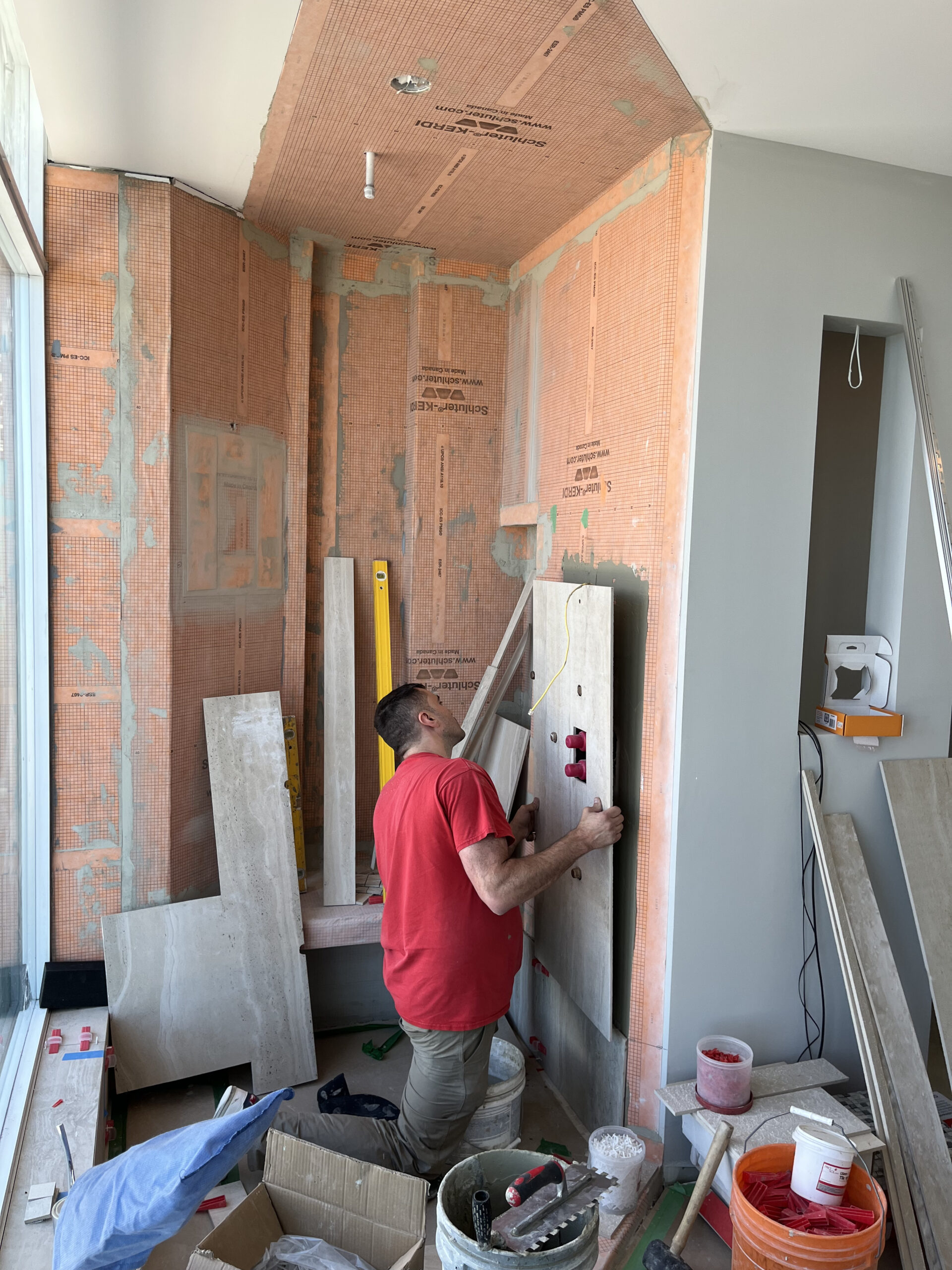
Step 3: Assemble Your Renovation Team Early
One of the best ways to plan a realistic home renovation timeline is to involve the right professionals as early as possible.
Depending on the scope of your renovation, your team may include:
- Renovation contractor
- Home designer or architect
- Structural engineer
- Interior designer
- Energy advisor
- Landscape architect
- Specialty consultants
Bringing your builder into the planning process early allows them to provide valuable input on construction methods, project sequencing, budgeting, and scheduling before construction begins.
Home Renovation Tip: Full-service renovation contractors, like Hasler Homes, can help you assemble the right team for your project, saving you time and helping you avoid potentially costly coordination challenges later.
Greg’s Insight: “The earlier we’re involved in a home renovation project, the better we can help homeowners with the planning, budgeting and timelines. Having renovated hundreds of homes on the North Shore, we know what to expect and how long each stage typically takes.”
Step 4: Plan Your Renovation Timeline Phase by Phase
Rather than trying to plan your entire renovation timeline at once, break it down into manageable phases. This makes it easier to understand what happens when, coordinate trades, and keep your project moving forward.
As discussed above (see What Does a Typical Home Renovation in North Vancouver Involve?), a typical home renovation follows a logical sequence, from planning and design through permits, material ordering, construction, inspections, and final completion. While some phases may overlap, many steps depend on earlier stages being completed first.
Home Renovation Tip: An experienced renovation contractor will coordinate each phase of your project, including scheduling trades, managing inspections, and adjusting the schedule when needed to keep your renovation moving forward. Working with an experienced local renovation company, like Hasler Homes, is one of the best ways to plan a home renovation timeline and keep your renovation on track.
Timeline Planning Insight: Your renovation timeline will become much more predictable once your design, budget, permits, contracts, and material selections are finalized. Starting construction before these pieces are in place can lead to delays, change orders, and unnecessary stress.

Step 5: Build Extra Time Into Your Home Renovation Timeline
Even the best-planned renovation timelines need some flexibility. Unexpected site conditions, homeowner change requests, weather, inspections, and material availability can all affect your schedule.
Rather than trying to plan every day precisely, allow some extra time for unexpected delays. Building this flexibility into your timeline helps reduce stress and keeps minor setbacks from becoming major disruptions.
Tip for How to Plan a Home Renovation Timeline: No renovation goes exactly as planned. A realistic timeline isn’t about eliminating delays. Instead, it’s about allowing enough flexibility to manage them without compromising the quality of your renovation. For example, in our experience, many older North Vancouver homes can reveal hidden plumbing, electrical, or structural issues once demolition begins, which is one reason contingency time is so important.
Insight from Greg: “At Hasler Homes, we recommend factoring in an additional 20-25% contingency time to help accommodate unforeseen issues during renovations.”
How Long Does a Home Renovation Usually Take in North Vancouver?
Quick Answer: Home renovations in North Vancouver can take anywhere from 6 to 10 months or longer, depending on the project’s size and complexity.
Every renovation is different, so there’s no one-size-fits-all timeline. The table below provides a general estimate of how long common renovation projects typically take, from the initial planning stage through to final completion.
| Renovation Type | Typical Timeline* |
| Bathroom renovation | 4 months+ |
| Kitchen renovation | 6 months+ |
| Main floor renovation | 6 to 8 months+ |
| Whole-home renovation | 8 to 10 months+ |
| Renovation and Addition | 10 months+ |
*Timelines are approximate and include planning, design, permitting, material procurement, and construction. Actual timelines vary depending on project scope, product availability, municipal approvals, site conditions, and homeowner change requests.
Examples of Real North Vancouver Home Renovation Timelines
Every renovation is different, but seeing a real project can help put the planning process into perspective.
Here are some examples of home renovations by Hasler Homes, including details and timelines.
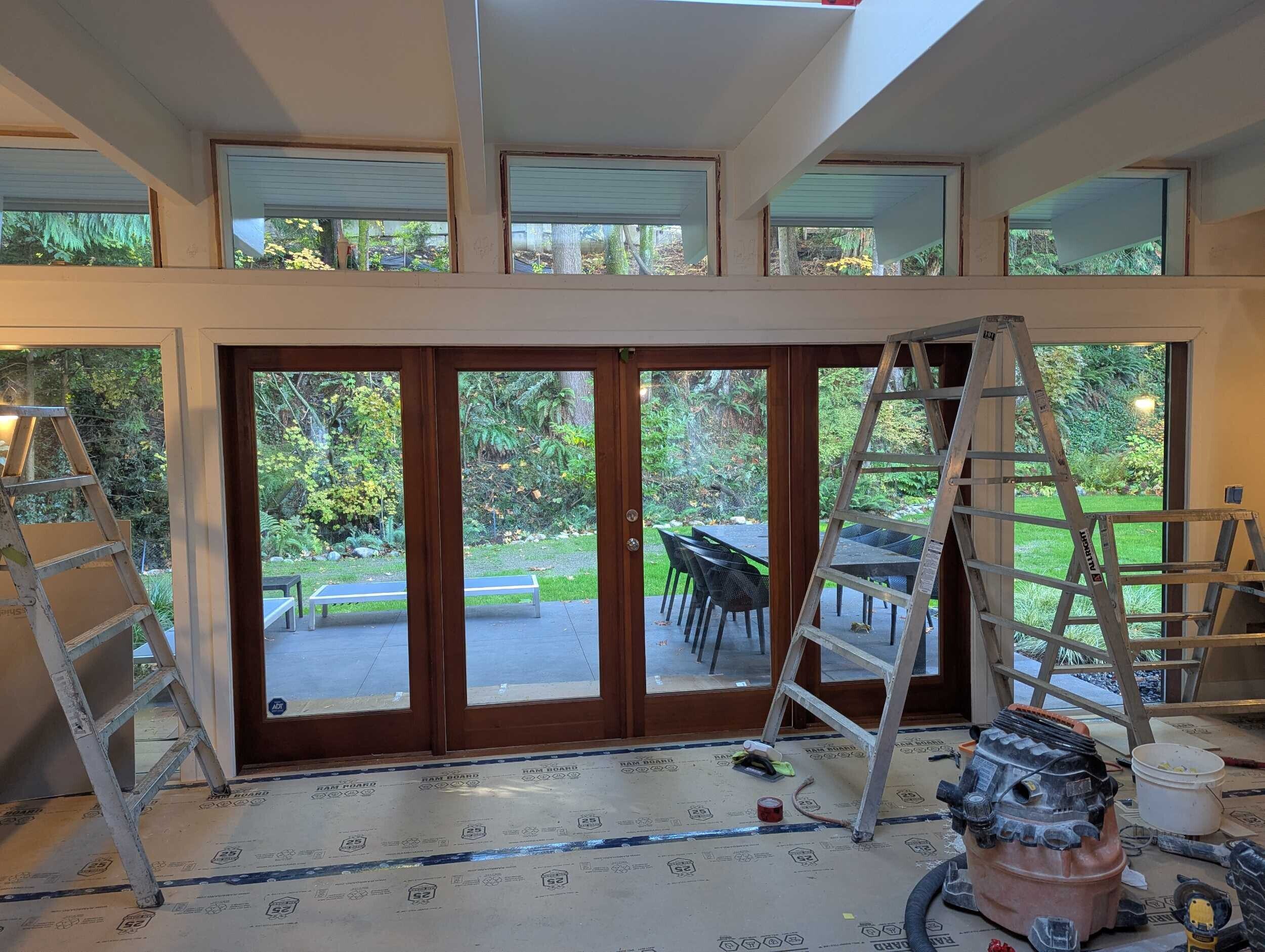
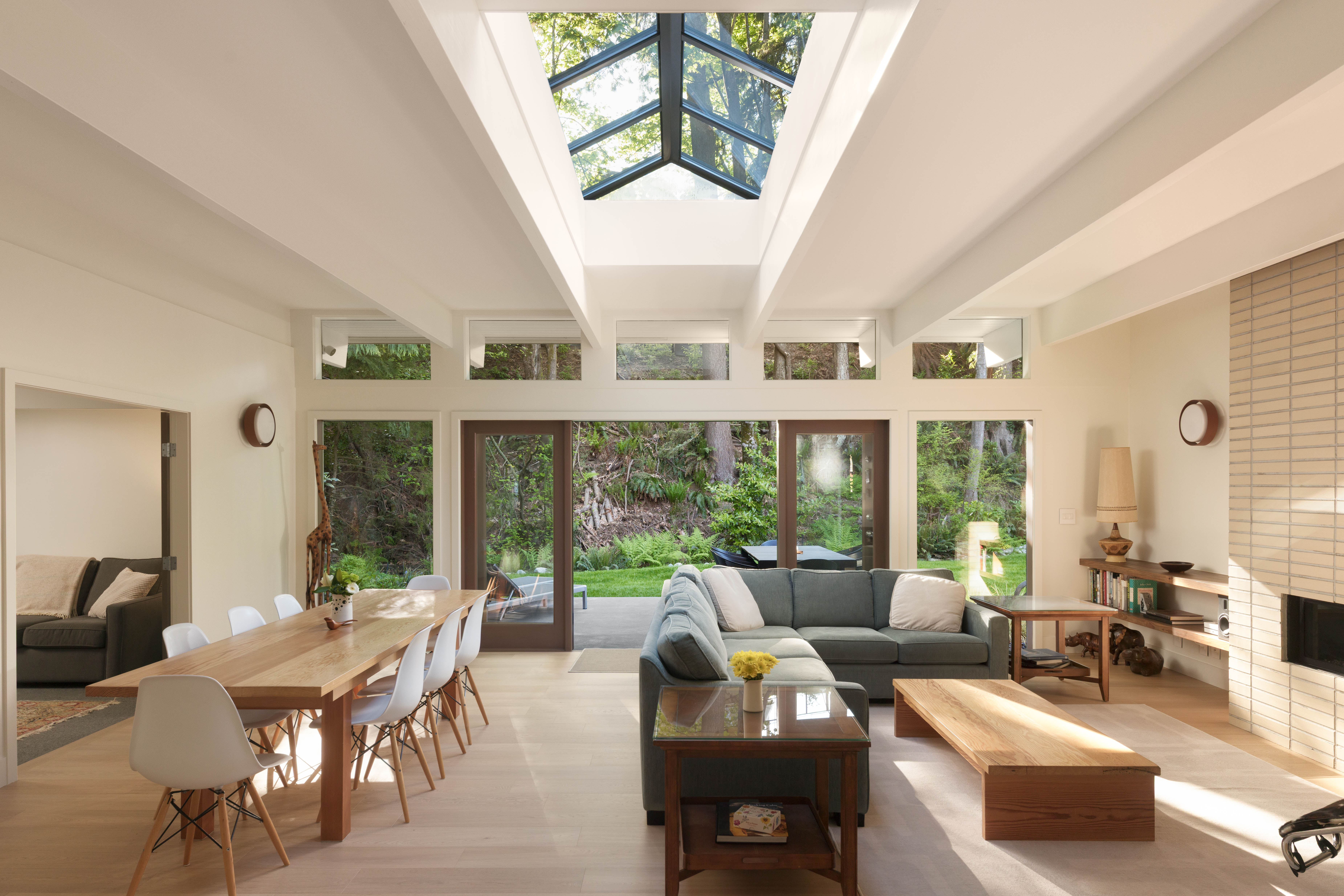
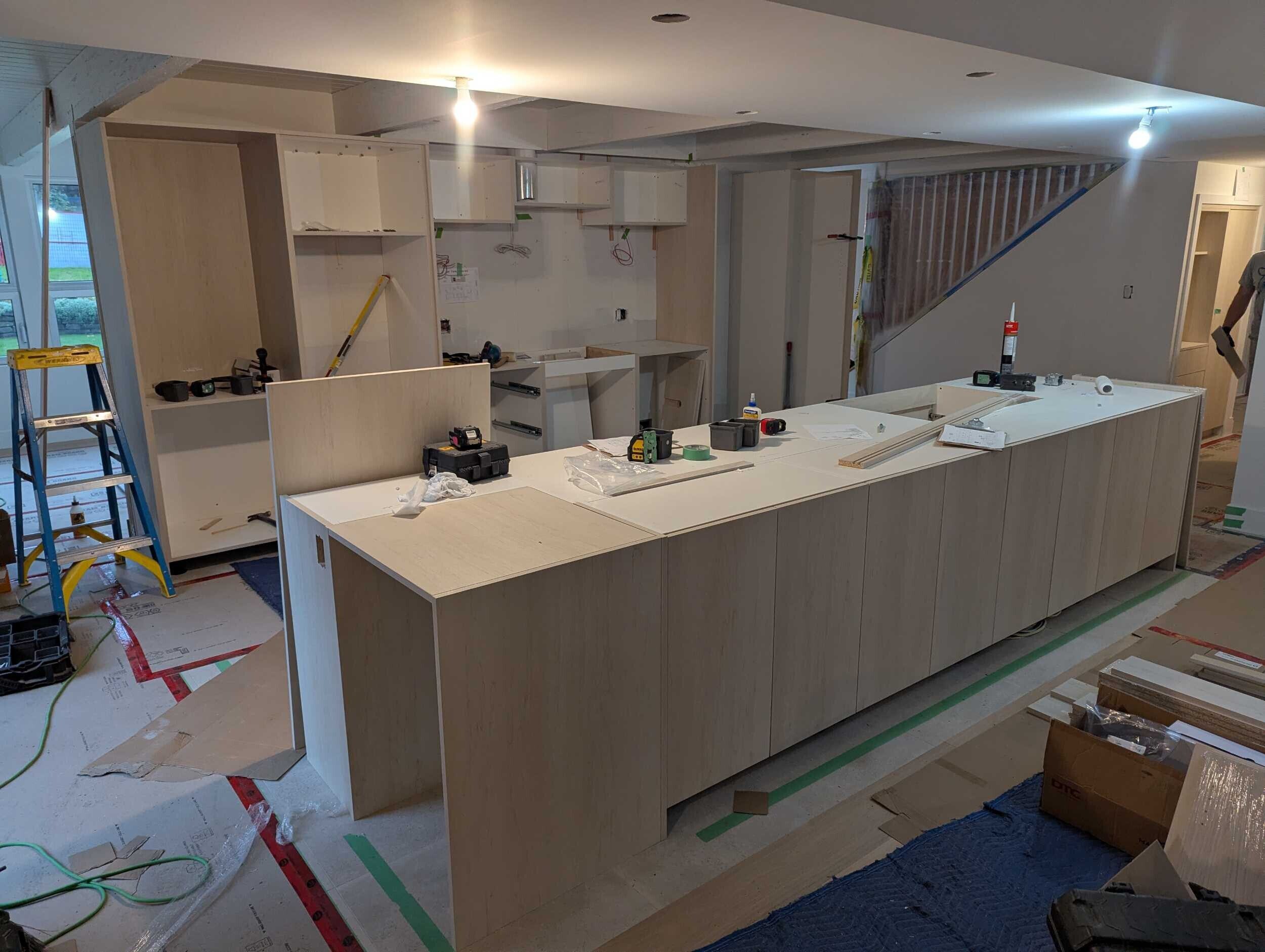
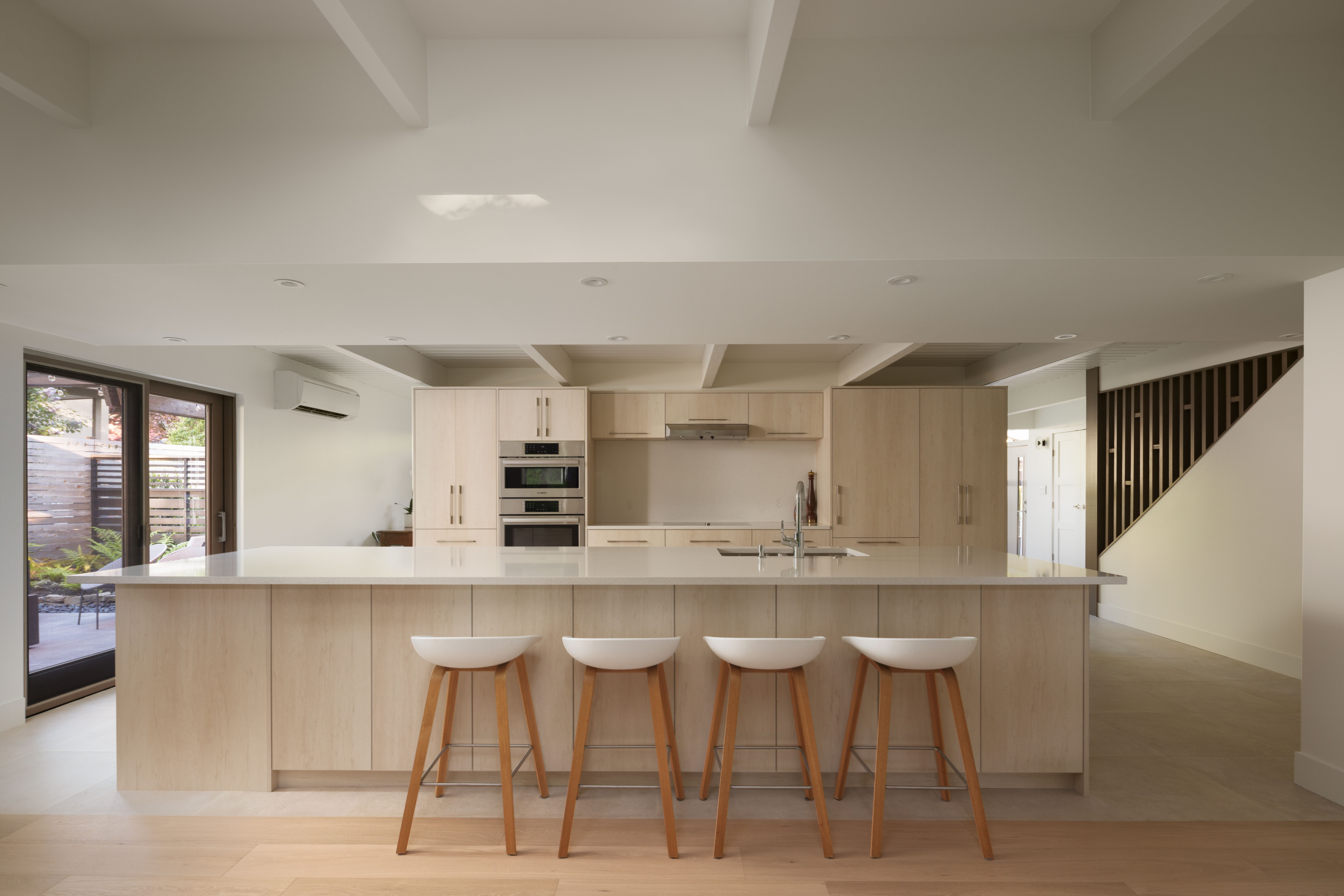
Pacifica
Pacifica is a West Coast Modern post-and-beam home renovation that Hasler Homes completed in Edgemont, North Vancouver. This stunning reno took 12 months to complete and was recently featured in The Globe and Mail.
Below is a breakdown of the project phases and how long each took to complete.
- Design: 3 to 4 months
- Permits: 4 months
- Ordering/Getting Materials: 2 months (during construction)
- Construction: 8 months
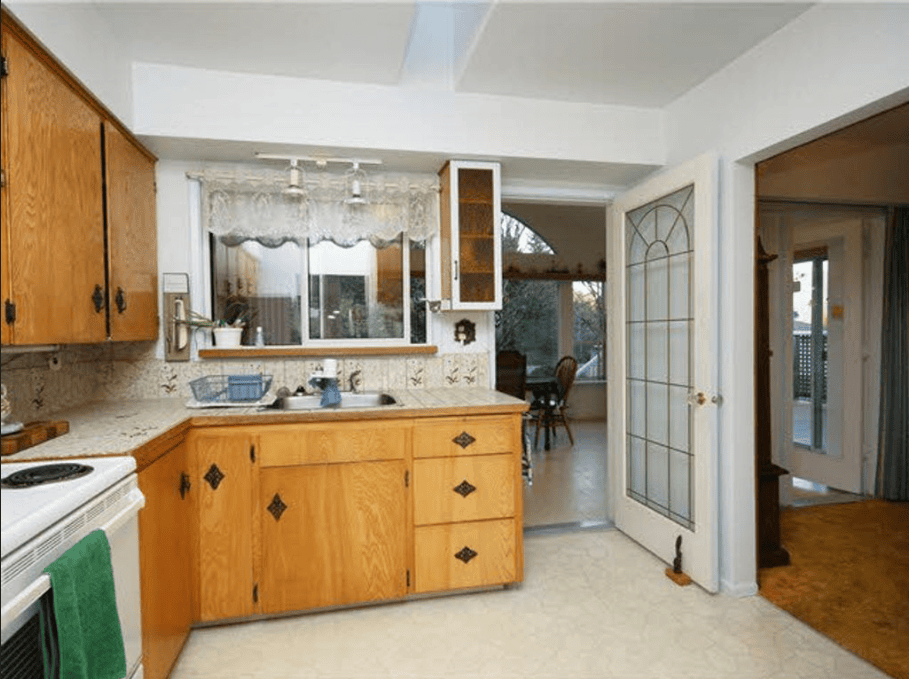
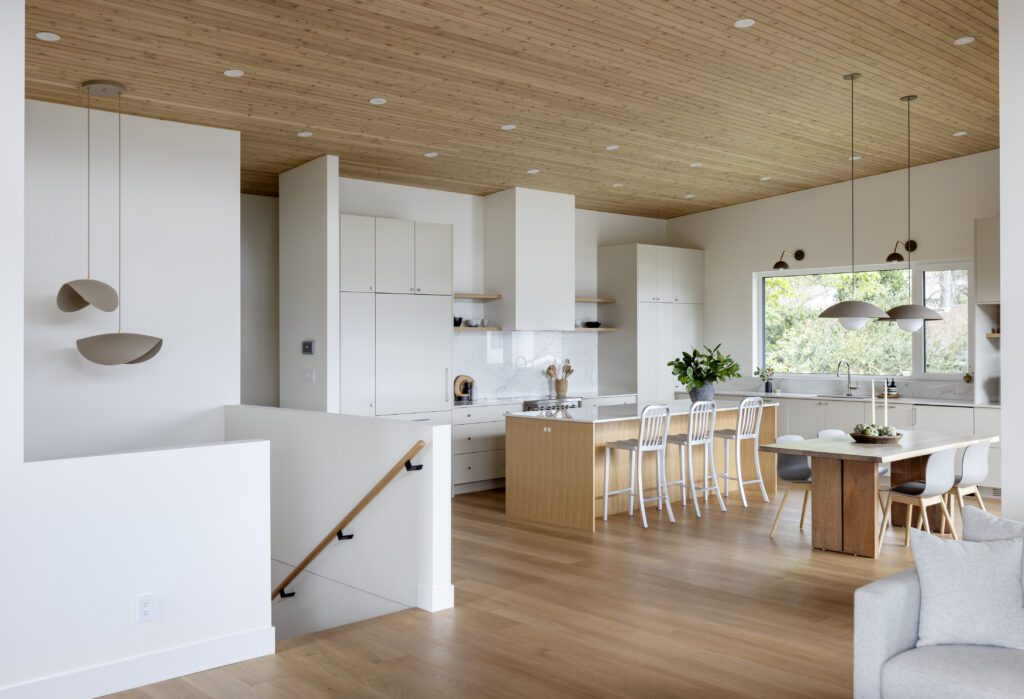
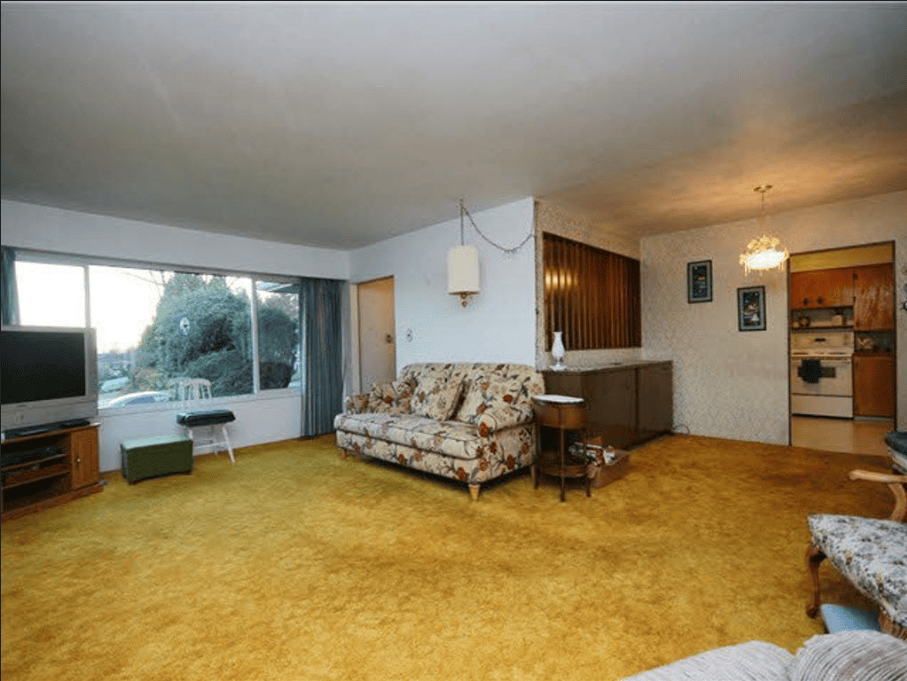

Brightwater
Brightwater was a full home renovation in Deep Cove that took 14 months to complete. The updated home was designed to create a modern space for family living, with more natural light and better functionality and flow.
Below is a breakdown of the project and how long each phase took to complete.
- Design: 3 to 4 months
- Permits: 6 months
- Ordering/Getting Materials: 2 months
- Construction: 13 months
What Can Delay a Home Renovation Timeline?
Quick Answer: Common causes of home renovation delays in North Vancouver include late design decisions, project scope changes, permit processing times, delayed material orders, product backorders, hidden issues discovered during demolition, inspection scheduling, weather, and trade coordination.
Even the best-planned renovations can experience delays. While you can’t control every factor, many of the most common schedule changes can be avoided by making decisions early, assembling the right team, and thoroughly planning your renovation.
The table below outlines which delays you can help prevent and which ones are typically outside your control. Understanding which delays you can prevent and which you can’t will help you plan a home renovation timeline and avoid unnecessary setbacks.
| Delays You Can Help Prevent | Delays You Can’t Always Control |
| Late design decisions | Municipal permit processing times |
| Changes to the project scope during construction | Hidden structural, plumbing, electrical, asbestos or moisture issues |
| Delayed material selections and orders | Product backorders or manufacturer delays |
| Budget-related redesigns or substitutions | Municipal inspection availability |
| Trade scheduling and coordination issues | Weather-related delays |
| Hiring contractors or consultants too late | Utility or third-party approval delays |
Insight from Greg Hasler: “The more decisions homeowners make before construction starts, the fewer surprises (and delays) there tend to be during the renovation.”
What Are the Most Common Home Renovation Timeline Mistakes?
Quick Answer: The most common home renovation timeline mistakes include hiring a contractor too late, starting construction before the design is finalized, making changes during construction, delaying material selections, underestimating permit timelines, and not allowing enough flexibility for unexpected delays.
Many renovation delays can be traced back to decisions made before construction even begins. Here are some of the most common mistakes homeowners make when planning a home renovation timeline.
- Hiring a contractor too late.
- Starting construction before the design is finalized.
- Changing the project scope after work has begun.
- Waiting too long to select and order materials.
- Setting an unrealistic budget that leads to redesigns or material substitutions.
- Underestimating permit approval times.
- Planning a timeline with no flexibility for unexpected delays.
Start Your Renovation the Right Way
Planning a realistic renovation timeline starts with the right team.
At Hasler Homes, we help North Vancouver homeowners plan every stage of their renovation, from budgeting and design through permits, construction, and completion, to help projects stay organized and on schedule.
If you’re considering a home renovation, we’d be happy to discuss your project, answer your questions, and help you create a realistic timeline.
Still Have Questions About Renovating Your Home?
Planning a home renovation timeline is just one part of a successful renovation. If you have questions about permits, budgeting, choosing a contractor, or what to expect during the renovation process, explore our Home Renovation Questions guide, where Greg answers some of the most common questions we hear from North Vancouver homeowners.